
How Hand-Tracking Is Shaping the Future of In-Cabin Monitoring
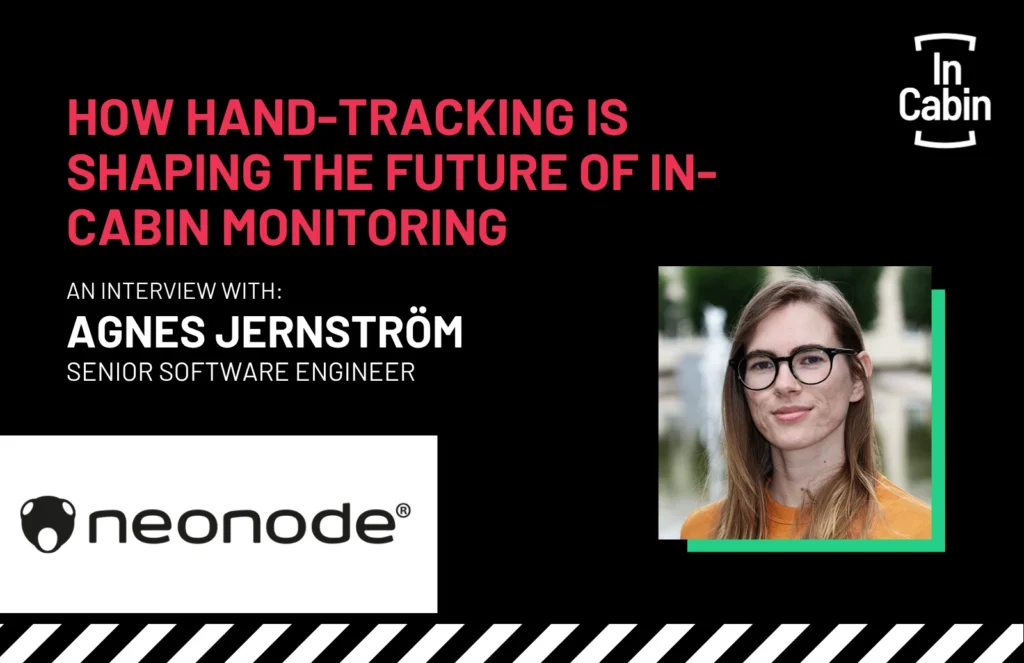
From detecting distraction to predicting driver intent, hand-tracking is becoming an increasingly valuable part of the intelligent cockpit.
As in-cabin monitoring evolves beyond traditional gaze and facial analysis, advances in computer vision are unlocking new ways to understand driver behaviour and create safer, more intuitive human-machine interfaces. In this interview, Agnes Jernström, Senior Software Engineer at Neonode, explains how hand-tracking is helping to advance occupant monitoring and the next generation of in-cabin AI.
Building the Unified AI Stack for Software-Defined Vehicles
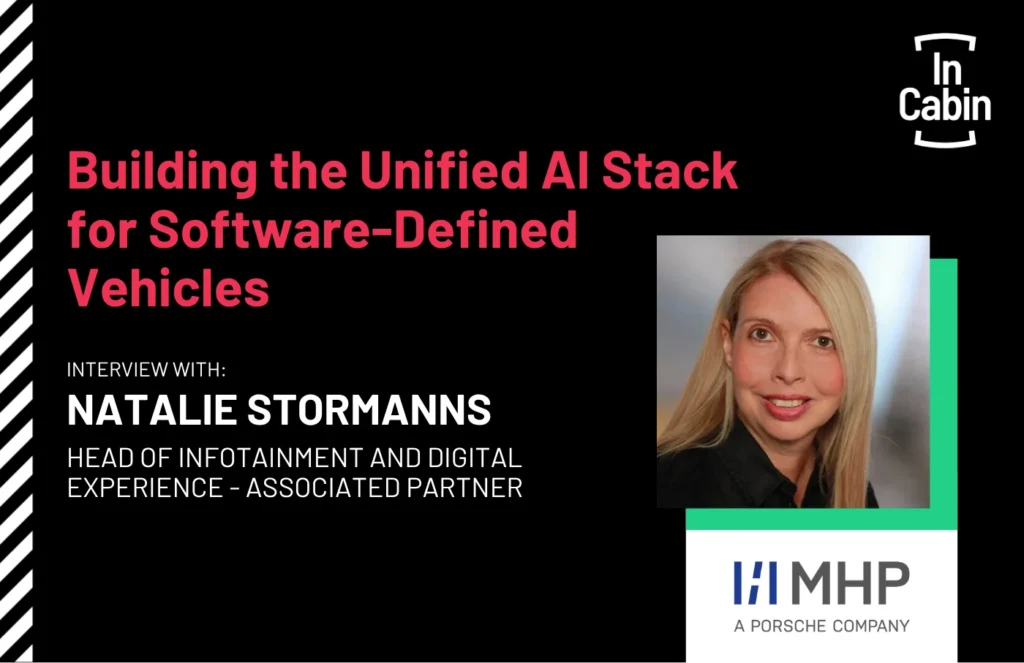
As vehicles become increasingly software-defined, the challenge is no longer adding more AI features- it’s creating an architecture that allows them to work together.
In this interview, Natalie Stormanns, Head of Infotainment and Digital Experience at MHP – A Porsche Company, explores why unified AI stacks, centralized compute, and integrated vehicle and cabin data are becoming essential to delivering safer, more intelligent, and more personalised driving experiences.