
How Hand-Tracking Is Shaping the Future of In-Cabin Monitoring
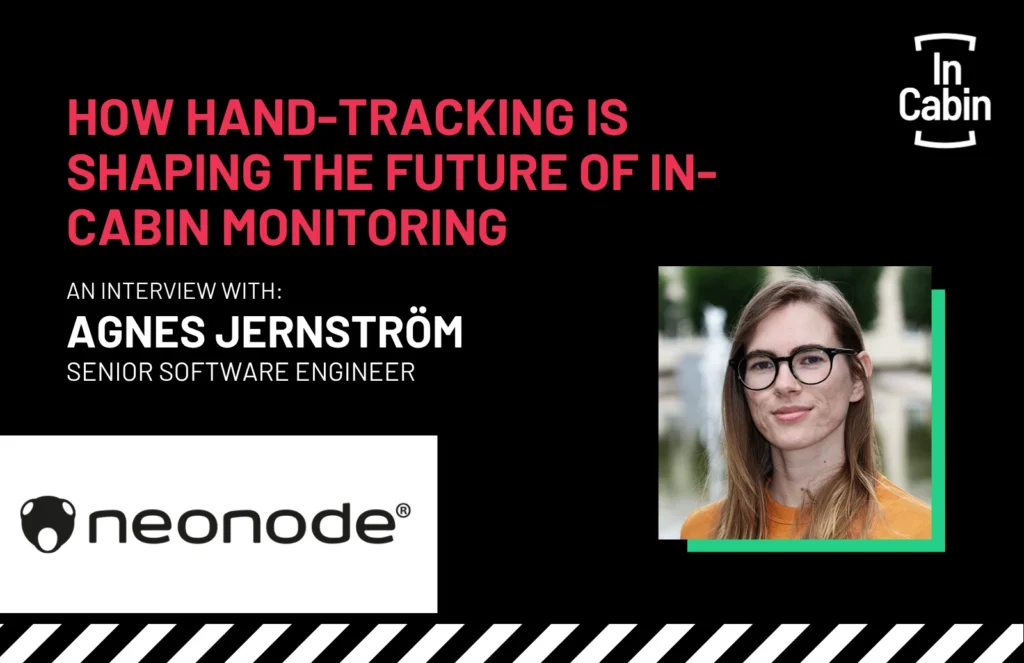
From detecting distraction to predicting driver intent, hand-tracking is becoming an increasingly valuable part of the intelligent cockpit.
As in-cabin monitoring evolves beyond traditional gaze and facial analysis, advances in computer vision are unlocking new ways to understand driver behaviour and create safer, more intuitive human-machine interfaces. In this interview, Agnes Jernström, Senior Software Engineer at Neonode, explains how hand-tracking is helping to advance occupant monitoring and the next generation of in-cabin AI.
Why Global Shutter HDR Is the Next Step for In-Cabin Cameras
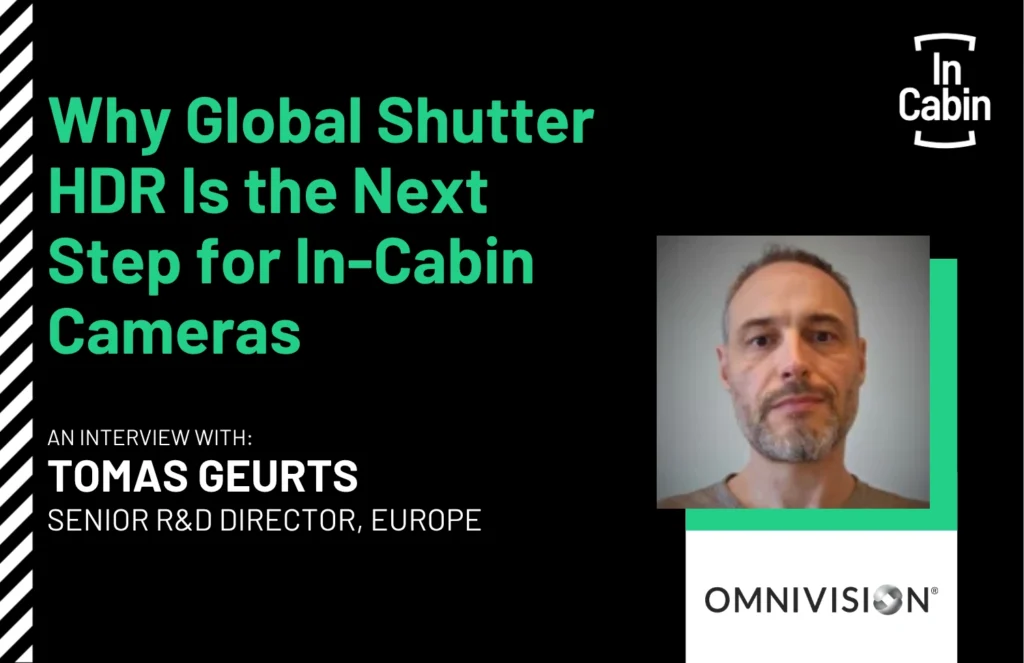
As in-cabin cameras take on more responsibilities, from driver monitoring and occupant sensing to videoconferencing and user authentication, image sensors must deliver far more than high-quality pictures.
The rise of RGB-IR imaging is driving demand for High Dynamic Range (HDR) capabilities that work with global shutter technology, enabling reliable sensing in challenging lighting conditions. We spoke with Tomas Geurts, Senior R&D Director, Europe at OMNIVISION, about why HDR requirements are changing, how RGB-IR is reshaping in-cabin monitoring, and what future camera architectures will need to support the next generation of intelligent vehicle interiors.