InCabin has always focused on technical depth and real engineering challenges.
For 2026, the agenda also includes a set of interactive sessions designed to complement the core programme.
We’ve introduced two hands-on workshops, led by experts, giving delegates the chance to work directly with tools and approaches they can apply in day-to-day engineering work, or explore further outside of it.
OpenClaw Interactive Workshop – Building Intelligent Agents
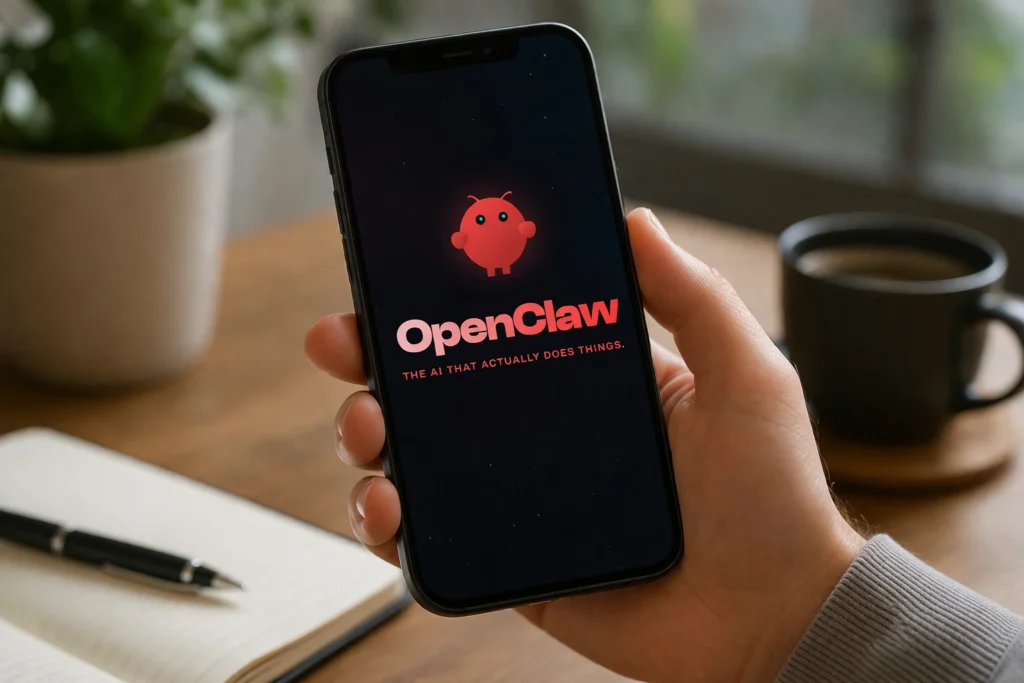
This session focuses on software, AI, and how systems make decisions.
The OpenClaw workshop introduces agent-based systems and how they differ from traditional prompt-based approaches. Instead of one-off interactions, the focus is on systems that can plan, make decisions, and coordinate across tasks.
Delegates will work through the core building blocks – agents, tools, memory, and coordination – and build a simple working agent to explore how these systems behave in practice.
There’s a clear application in automating routine processes across engineering and data-driven environments, particularly where workflows involve multiple steps, tools, or data sources.
In an in-cabin context, this connects directly to how vehicles interpret driver and occupant state, manage interaction, and respond intelligently. As cockpit systems become more adaptive and context-aware, these types of architectures become increasingly relevant.
Outside of work, the same concepts can be applied to personal projects – from task automation and coding assistants to game AI, smart home routines, or productivity tools.
TinkerCAD Interactive Workshop – Rapid Prototyping & System Thinking
This session focuses on the fundamentals of sensing and system design.
Using TinkerCAD, delegates will build and simulate simple electronic systems – sensors, inputs/outputs, and basic circuits – in a fast, accessible environment. No hardware setup, no overhead, just the ability to test ideas quickly.
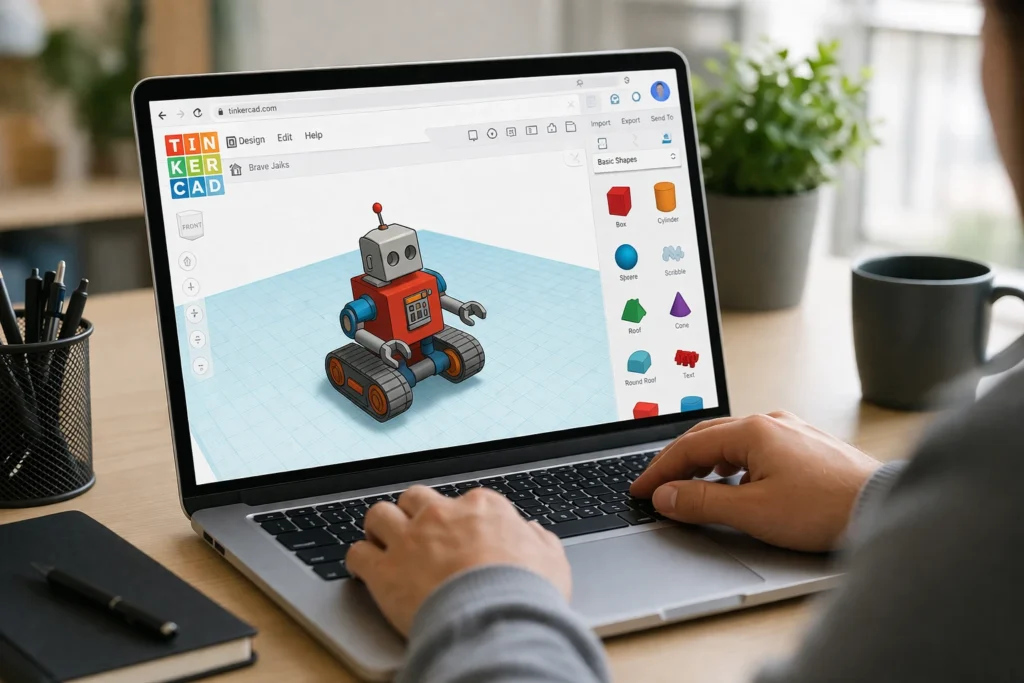
It’s useful for understanding how individual components behave and how they scale into larger systems. More importantly, it provides a way to prototype early, iterate quickly, and validate concepts before committing to physical builds.
There’s also a practical benefit in terms of ownership. Being able to model and test ideas independently makes it easier to take on early-stage design work that might otherwise sit elsewhere.
The same approach translates well beyond automotive. It can be applied to robotics projects – from basic sensing to simple autonomous behaviours – as well as personal projects like home automation, DIY electronics, and 3D design and printing.
Tutorials: Short, Focused Deep-Dives
Alongside the interactive sessions, the agenda also includes eight 90-minute technical tutorials, available to Learn Pass holders.
These are designed to go deeper into specific problems, with a more focused format that allows for detailed technical discussion and practical insight.
On the InCabin side, four sessions include:
Downfall of the Touchscreen: Human Factors and the Comeback of Buttons, Knobs, and Switches – Michael A. Nees, Lafayette College
Collaborative Steering and the Challenge of Driver-Automation Teaming – Dr. Robert Fuchs, JTEKT
The Psychology of In-Cabin UX: What Makes Interfaces Trustworthy and Effective? – David Mitropoulos-Rundus, Hyundai America Technical Center, Inc
Where is my head? How camera and head position influences Image Quality KPIs – Uwe Artmann, Image Engineering
The AutoSens tutorials cover perception, sensing, and system architecture. If those areas are relevant, you can explore them on the AutoSens agenda.
From Theory to Application
The core InCabin agenda remains focused on technical depth and real-world engineering challenges.
These sessions sit alongside that, offering a more direct way to engage with some of the ideas behind the talks – through building, testing, and working through them in practice.
The outcome is simple: less abstraction, more application.
Interested in exterior sensing technology?
With a pass to InCabin USA, you’ll also get full access to our co-located sister event, AutoSens. The full agenda and line-up for AutoSens can be found here >>
What can you expect from InCabin USA 2026? Check it out below
Written by: